
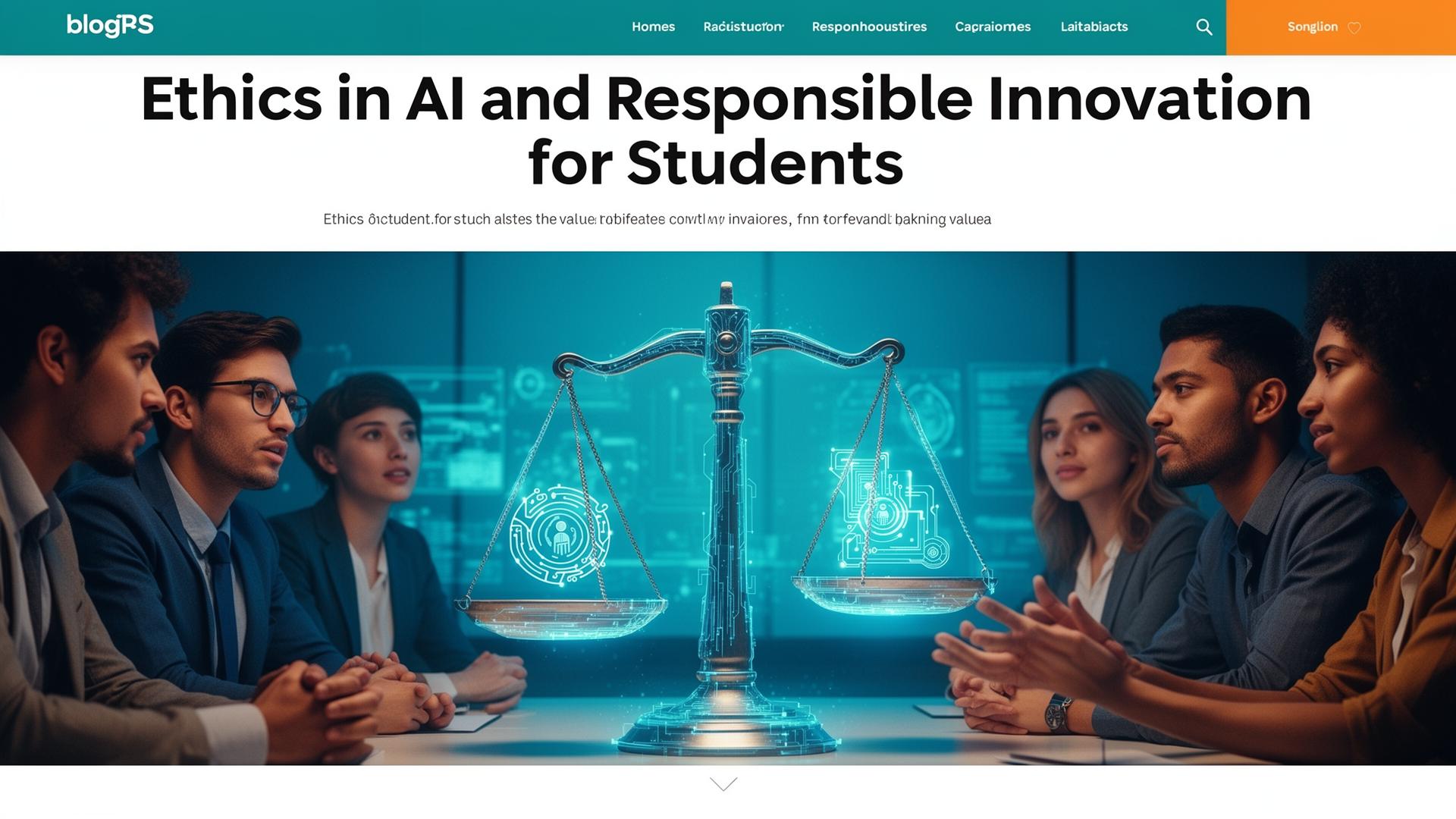
Explore how we integrate ethical considerations into AI education to create responsible future technologists. Beyond Code: Teaching AI Ethics As AI becomes more powerful, understanding its ethical implications becomes crucial. At FutureX Lab, ethics is not an afterthought. It is woven into every lesson. Key Ethical Concepts We Teach Privacy and Data Students learn about data collection, consent, and the importance of protecting personal information. Bias and Fairness AI systems can perpetuate or amplify biases. Our curriculum helps students identify bias in AI systems and understand where bias comes from. Transparency and Accountability Who is responsible when AI makes mistakes? Students explore the importance of explainable AI and accountability in automated decision making.
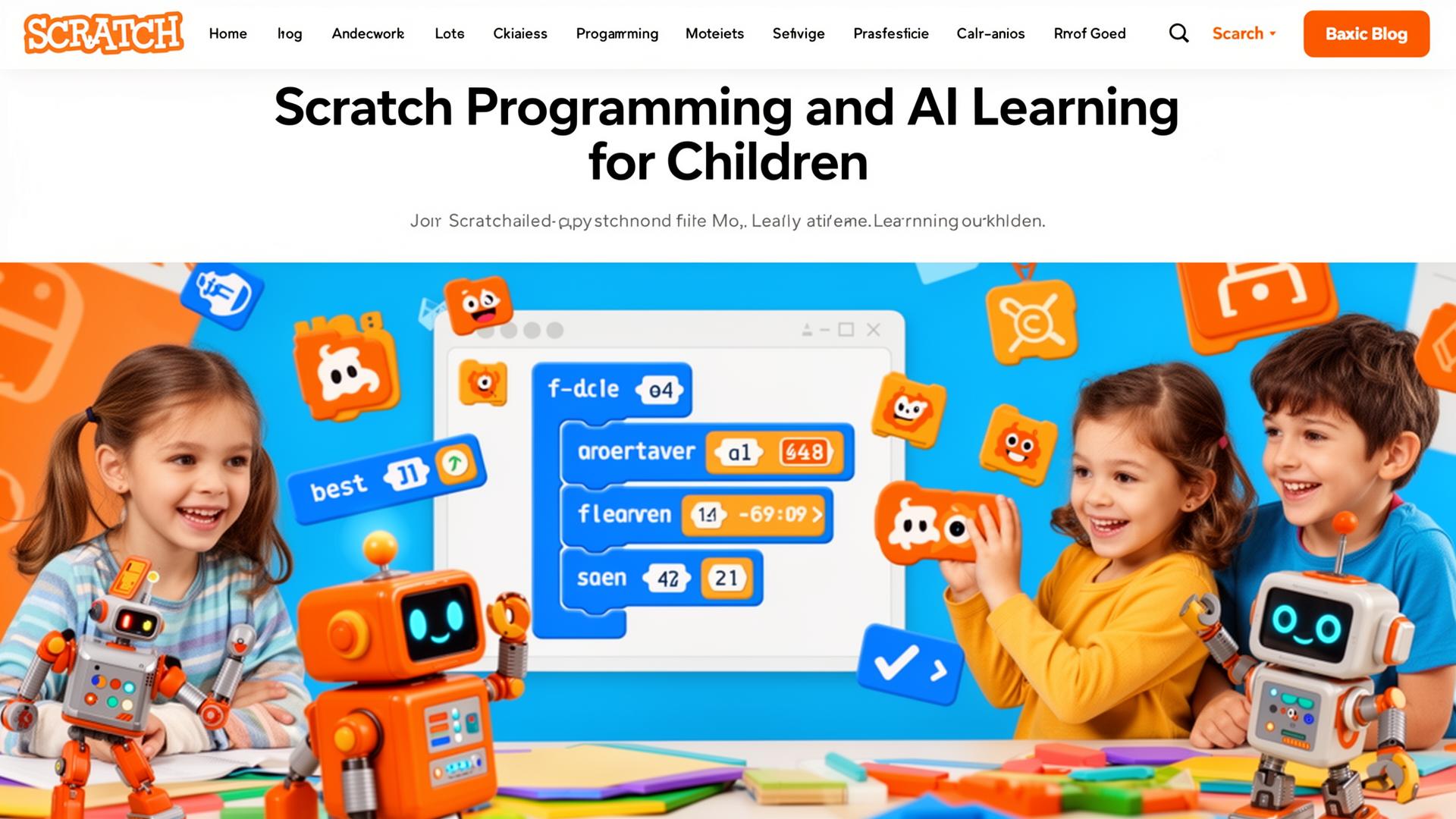
Scratch Programming: A Gateway to AI Learning
Learn how visual programming with Scratch builds the foundation for advanced AI concepts in young learners. Starting the AI Journey with Scratch Scratch is not just about creating animations and games. It is the perfect stepping stone to understanding artificial intelligence. Why Scratch? Visual Learning: Scratch block based interface makes abstract programming concepts tangible. Students can see cause and effect immediately, building intuition about how code works. Creative Freedom: Unlike traditional programming, Scratch encourages experimentation. Students can create interactive stories, games, and animations while learning logic and sequencing. From Blocks to AI Our curriculum uses Scratch as a foundation to introduce:
Why AI Education Matters for student
Discover why introducing AI concepts early gives students a competitive edge and prepares them for the future workforce. The AI Revolution in Education Artificial Intelligence is no longer a futuristic concept. It is reshaping every industry today. From healthcare to entertainment, AI is becoming an essential tool that students need to understand. Why Start Early? Our Approach At FutureX Lab, we believe in making AI accessible and fun. Our curriculum is designed to introduce complex concepts through hands on projects that spark curiosity and creativity.
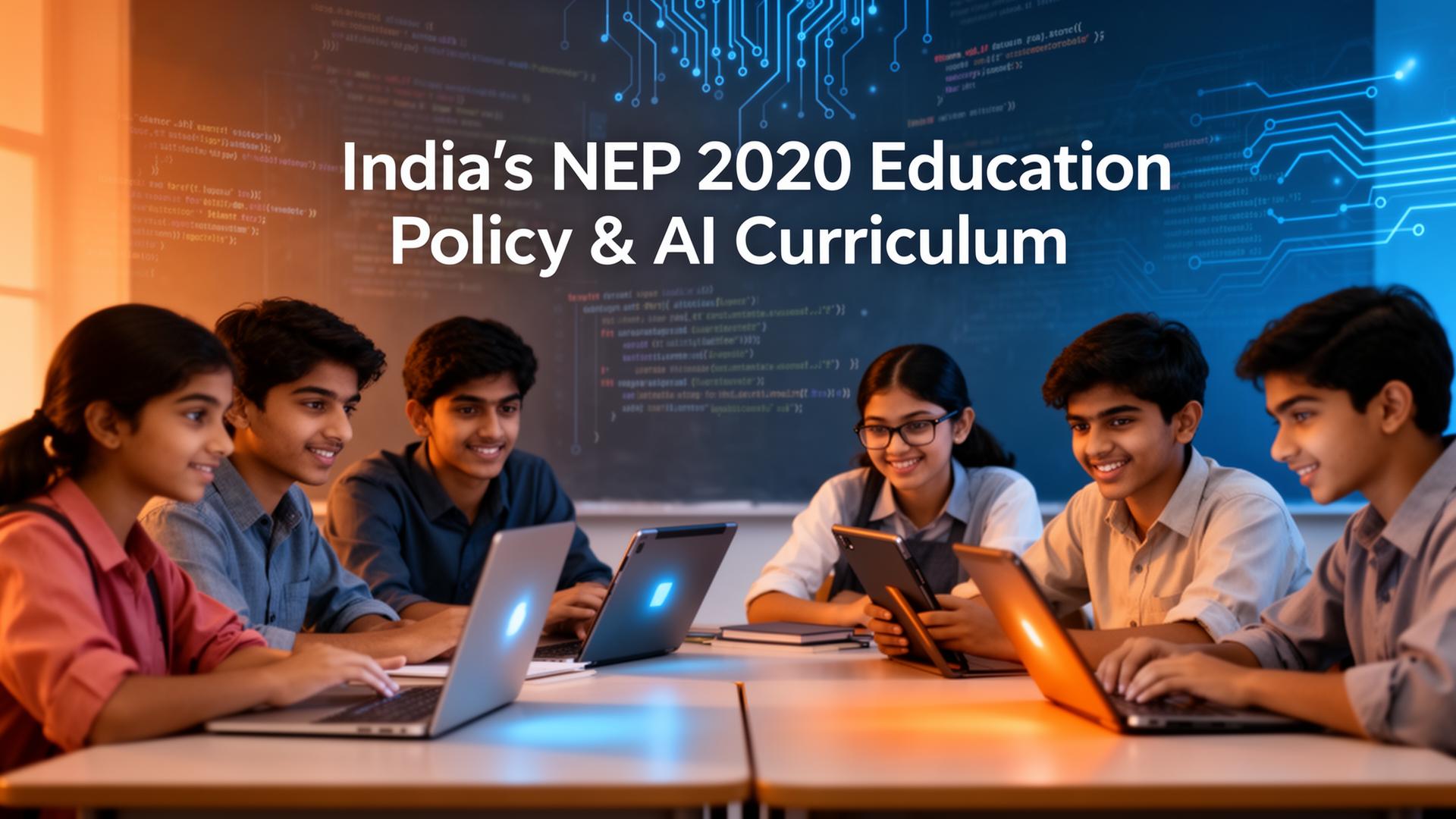
NEP 2020 and AI Education: How Our Curriculum Aligns with India’s Education Vision
Discover how FutureX Lab’s AI and coding curriculum is designed to meet NEP 2020 goals, preparing students for a technology-driven future with hands-on, project-based learning. The NEP 2020 Vision for Technology Education India’s National Education Policy 2020 represents a transformative shift in how we approach education. With its emphasis on computational thinking, coding, and digital literacy from an early age, NEP 2020 recognizes that preparing students for the future means equipping them with technology skills that go beyond basic computer usage. At FutureX Lab, we’ve built our entire AI and coding curriculum to align with these national education goals, ensuring that schools can confidently adopt our program knowing it supports NEP 2020 mandates. Key NEP 2020 Recommendations We Address 1. Coding from Grade 6 Onwards NEP 2020 recommends introducing coding in schools from Class 6. Our curriculum starts even earlier—with block-based programming in Scratch from Grade 4—building foundational computational thinking before transitioning to Python in Grade 6. This progressive approach ensures students are well-prepared when formal coding requirements begin. “Coding and computational thinking will be introduced in a phased manner from the foundational stage itself.” — NEP 2020 2. Experiential and Project-Based Learning The policy emphasizes moving away from rote learning toward experiential, hands-on education. Every module in our curriculum includes a mini-project—from building animated stories in Scratch to creating chatbots that understand sentiment. Students learn by doing, not just listening. 3. AI and Emerging Technology Exposure NEP 2020 specifically mentions exposing students to Artificial Intelligence and emerging technologies. Our curriculum dedicates significant focus to: Understanding how AI works in everyday life (smart assistants, recommendations) Machine Learning fundamentals—how computers learn from data Building AI-powered projects like sentiment-aware chatbots Exploring ethical considerations in AI development 4. Digital Citizenship and Cyber Safety With increased digital exposure comes the need for responsible usage. NEP 2020 calls for teaching students about online safety, privacy, and digital ethics. Our curriculum weaves digital citizenship throughout every grade level—from recognizing unsafe links in Grade 4 to understanding digital forensics in Grade 9. Grade-by-Grade NEP Alignment Grade NEP 2020 Focus Our Curriculum 4-5 Foundational digital literacy Scratch programming, sensor exploration, online safety 6 Introduction to coding Python fundamentals, encryption, ML basics 7-8 Computational thinking, ethics Chatbot building, AI ethics, cybersecurity case studies 9 Advanced technology exposure Neural networks, IoT security, startup design Why Schools Trust Us for NEP Compliance Beyond curriculum alignment, we support schools with: Teacher training programs to build confidence in delivering tech content Ready-to-use lesson plans that save preparation time Assessment frameworks aligned with competency-based evaluation Zero infrastructure requirements—our program works with existing school setups Learn more about why AI education matters for K-12 students and how early exposure shapes future-ready learners. Ready to Align Your School with NEP 2020? Join the growing network of schools across India that trust FutureX Lab for their AI and coding education needs. Our curriculum is designed specifically for Indian schools, with content that resonates with local contexts while preparing students for global opportunities. Book a free demo today and see how we can help your school meet NEP 2020 technology education goals.