
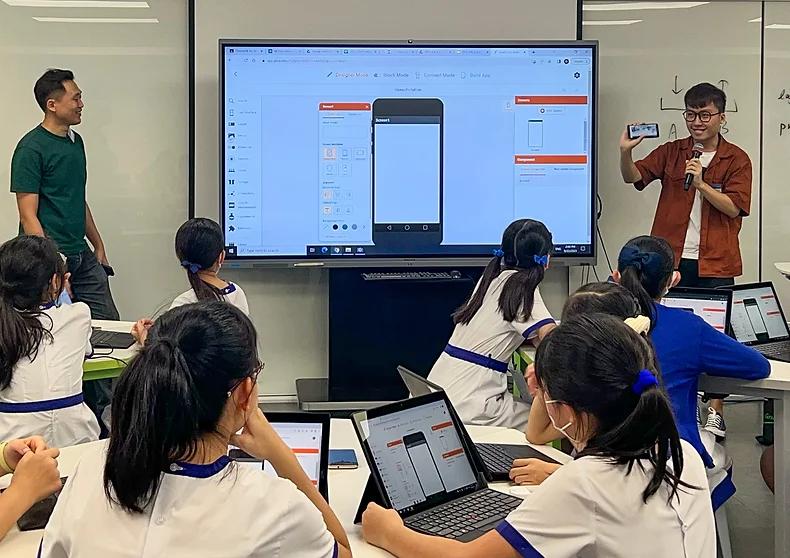
In today’s digital world, mobile applications have become an essential part of everyday life. From education and healthcare to entertainment and shopping, mobile apps are transforming the way people interact with technology. As technology continues to evolve, learning mobile app development has become one of the most valuable skills for students. With the right guidance, students can begin creating their own Android and mobile applications at an early age while developing creativity, logical thinking, and problem-solving abilities. FutureX Lab offers structured, project-based learning programs that help students understand programming concepts and build real-world applications through hands-on practice. Learn more about the innovative learning journey at FutureX Lab Why Should Students Learn Mobile App Development? Learning mobile app development is much more than writing code. It encourages students to think critically, solve real-life problems, and develop innovative digital solutions. Students gain valuable skills such as: These skills prepare students for future careers in technology while also improving their academic performance. Benefits of Mobile App Development for Students 1. Builds Strong Coding Skills Students learn programming languages and development concepts through practical projects instead of only theoretical lessons. 2. Encourages Creativity Designing an app allows students to transform their ideas into real digital products that solve everyday challenges. 3. Improves Problem-Solving Creating an application requires identifying user problems and developing practical solutions, strengthening critical thinking. 4. Enhances Digital Literacy Students become confident technology creators rather than simply technology users. 5. Develops Career-Ready Skills Mobile app development introduces students to high-demand career fields including: What Students Learn in Mobile App Development A structured learning path helps students understand the complete app development lifecycle. Students typically learn: At FutureX Lab, students learn through interactive activities, coding exercises, and real-world projects designed specifically for school learners. The curriculum focuses on project-based learning that builds confidence step by step. Technologies Students Can Explore Depending on their learning level, students may explore technologies such as: These tools introduce students to modern application development in an engaging and age-appropriate manner. Project Ideas for Beginners Students can start with simple and exciting applications such as: Working on these projects improves both coding skills and practical experience. Why Practical Learning Matters Reading programming books is helpful, but real learning happens by building projects. Hands-on learning enables students to: This practical approach makes technology education more engaging and meaningful. Why Choose FutureX Lab? Future-ready education requires more than traditional classroom learning. FutureX Lab combines coding, Artificial Intelligence, robotics, and mobile app development into structured learning experiences that prepare students for tomorrow’s digital world. FutureX Lab provides: Students don’t simply learn programming they build real applications that strengthen confidence and creativity while preparing them for future technology careers. Explore FutureX Lab Programs to discover coding, AI, robotics, and mobile application development courses designed for school students. Supporting India’s Future Digital Workforce India is rapidly becoming one of the world’s leading technology hubs. Schools introducing coding and mobile app development are helping students develop the skills required for future industries. FutureX Lab supports this mission by delivering practical technology education that encourages innovation, entrepreneurship, and digital confidence among young learners. Students from schools across Maharashtra and other regions can benefit from structured technology education designed for the future. Powered by The BAAP Company FutureX Lab is proudly developed by The BAAP Company, a technology-driven organization focused on creating innovative digital products, educational platforms, and future-ready technology solutions. Explore more innovative products and services from The BAAP Company Conclusion Mobile app development is one of the most valuable skills students can learn today. It combines creativity, logical thinking, programming knowledge, and real-world problem-solving into one exciting learning experience. Whether students dream of becoming software developers, entrepreneurs, AI engineers, or technology innovators, starting with mobile app development provides a strong foundation for future success. With project-based learning, expert guidance, and future-focused programs, FutureX Lab helps students transform ideas into real applications while building the confidence to thrive in the digital age. Start your journey today with FutureX Lab Programs and become part of India’s next generation of digital innovators. Contact Us The BAAP CompanyParegaon, Tal. Sangamner, Maharashtra – 422611, India 📍 Location: Paregaon, Sangamner, Ahmednagar District, Maharashtra, India 📞 Phone: +91 9105868788 📧 Email: info@baapcompany.com
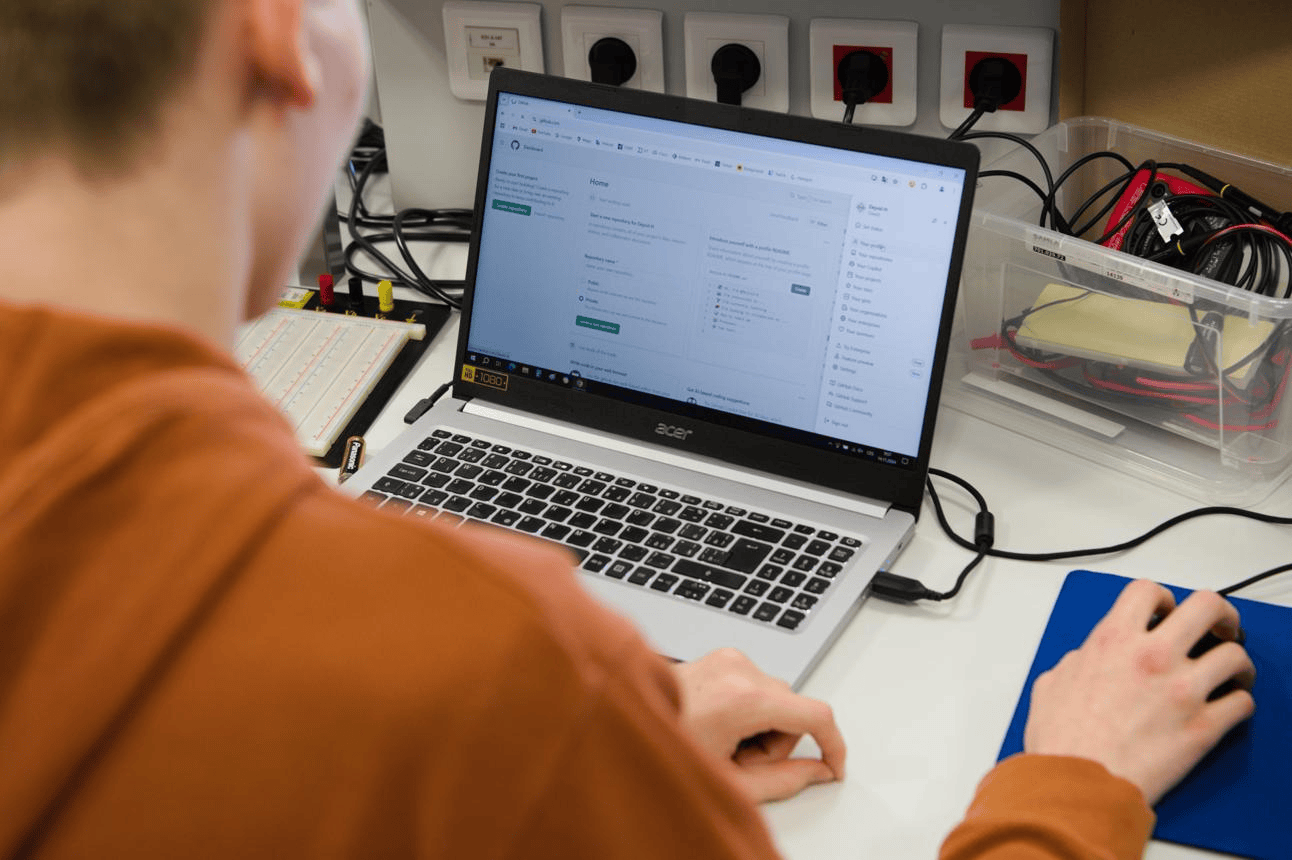
How Open-Source Projects Help Students Learn Faster
In today’s rapidly evolving digital world, students need more than theoretical knowledge to succeed. Employers and educational institutions increasingly value practical experience, problem-solving abilities, and real-world project exposure. One of the most effective ways for students to develop these skills is through participation in open-source projects. At FutureX Lab, students are encouraged to explore real-world technology environments where they can apply coding, AI, and innovation skills beyond traditional classroom learning. Open-source projects provide a powerful platform for students to learn faster, collaborate globally, and build future-ready careers. FutureX Lab focuses on project-based learning that helps students gain practical experience while developing creativity, logical thinking, and technical confidence. What Are Open-Source Projects? Open-source projects are software applications, tools, or platforms whose source code is publicly available. Developers from around the world can view, modify, improve, and contribute to these projects. Popular open-source technologies such as Python, Linux, WordPress, React, and many AI frameworks are built and maintained through community collaboration. Students can learn directly from experienced developers while contributing to meaningful projects that impact thousands or even millions of users worldwide. Why Open-Source Projects Accelerate Student Learning 1. Learning Through Real-World Experience Traditional learning often focuses on concepts and theory. Open-source projects allow students to work on actual software systems, understand coding standards, and solve practical problems. Instead of simply learning programming syntax, students gain experience in: This practical exposure significantly accelerates learning. 2. Building Strong Problem-Solving Skills Open-source communities constantly face technical challenges. Students learn how to: These experiences strengthen critical thinking and analytical abilities that are highly valued in technology careers. 3. Learning from Global Developers One of the biggest advantages of open-source participation is access to a worldwide network of developers. Students can: This exposure helps students develop skills that go beyond classroom education. 4. Developing Collaboration and Communication Skills Modern technology development is rarely a solo activity. Open-source projects teach students how to: These professional skills are essential for future software engineers, AI developers, and technology innovators. 5. Building a Strong Portfolio Employers often look for practical experience rather than just academic qualifications. Contributing to open-source projects helps students build: A strong portfolio demonstrates initiative, commitment, and practical expertise. How FutureX Lab Helps Students Learn Through Practical Projects FutureX Lab is an innovative education initiative designed to prepare students for an AI-driven future through coding, artificial intelligence, cybersecurity awareness, and project-based learning. The platform focuses on helping students build practical skills rather than relying solely on theoretical knowledge. Through the programs available at FutureX Lab, students gain exposure to: This approach aligns perfectly with the open-source learning philosophy, where students learn by creating, experimenting, and contributing. Benefits of Open-Source Learning for Future Careers Students who engage with open-source communities often develop: Technical Skills Professional Skills Career Advantages These benefits create a significant advantage in today’s competitive technology landscape. The Role of The BAAP Company in Technology Education The BAAP Company is committed to building innovative digital solutions while empowering future generations through technology education. Through initiatives like FutureX Lab, the company helps students gain access to practical learning experiences that prepare them for emerging opportunities in AI, software development, and digital innovation. Students and institutions can explore technology solutions and educational initiatives through The BAAP Company and discover how modern digital education is shaping the future workforce. Why Schools Should Encourage Open-Source Participation Schools that introduce students to open-source learning help them: As technology continues to transform industries, open-source participation provides students with a valuable pathway toward innovation and lifelong learning. Conclusion Open-source projects offer one of the fastest and most effective ways for students to learn technology skills. By working on real-world projects, collaborating with global communities, and solving practical challenges, students develop both technical expertise and professional confidence. FutureX Lab empowers students to embrace this hands-on learning approach through coding, AI education, and project-based experiences that prepare them for tomorrow’s opportunities. Whether students aspire to become software developers, AI engineers, entrepreneurs, or technology innovators, open-source learning can accelerate their journey and unlock endless possibilities. For students, schools, and parents looking to build future-ready skills, FutureX Lab provides a structured and practical pathway toward success in the digital age. Contact Information The BAAP CompanyParegaon, Tal. Sangamner, Maharashtra – 422611, India 📞 +91 9105868788📧 info@baapcompany.com
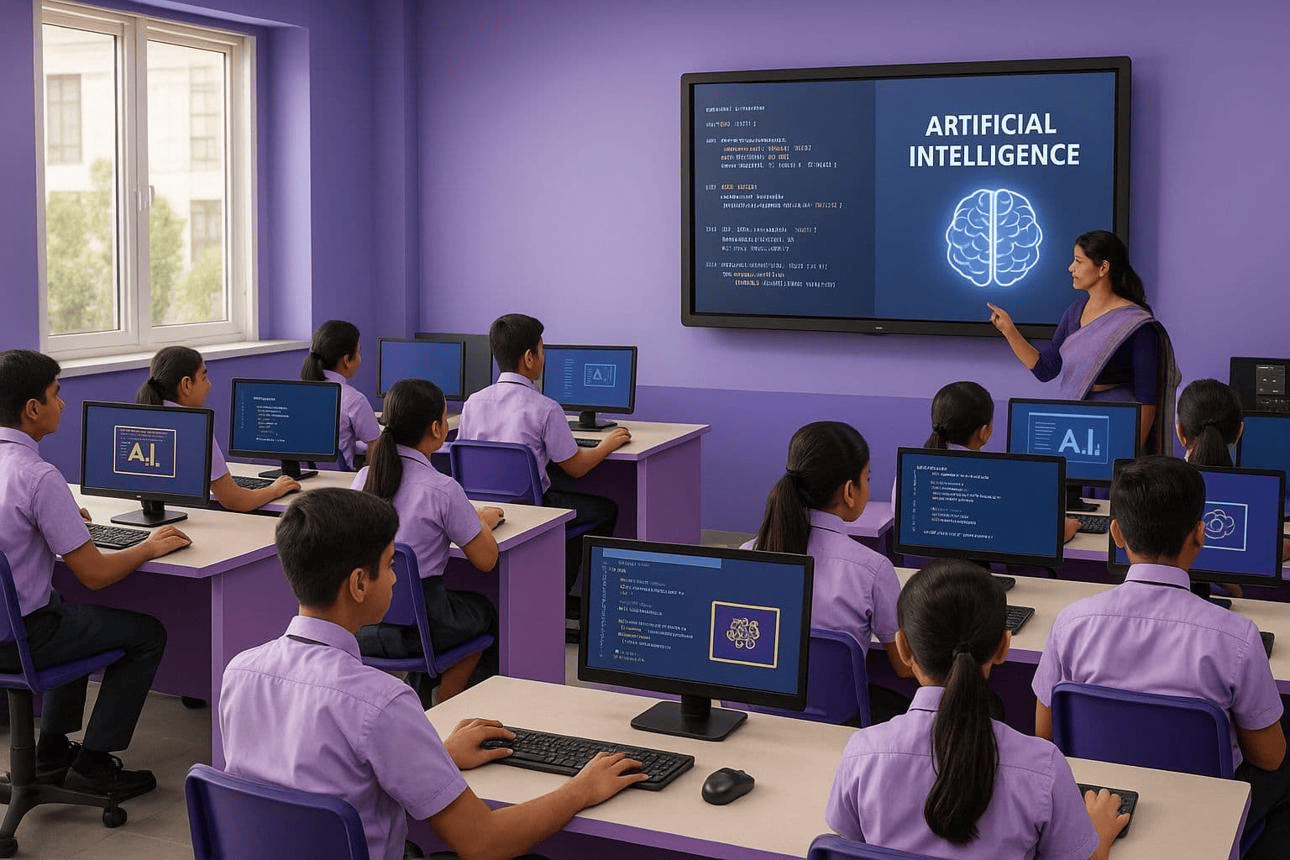
How Students Can Build Their First AI Chatbot
Artificial Intelligence (AI) is transforming the way we learn, work, and communicate. From virtual assistants like Siri and Alexa to customer support bots and educational tools, AI chatbots have become an essential part of modern technology. For students, learning how to build an AI chatbot is one of the best ways to understand the future of technology while developing valuable coding and problem-solving skills. At FutureX Lab, an innovative initiative by The BAAP Company, students are introduced to AI, coding, and emerging technologies through practical, project-based learning experiences. Instead of simply learning theory, students create real-world projects that prepare them for future careers in technology and innovation. Why Should Students Learn to Build AI Chatbots? Building an AI chatbot is more than just a coding exercise. It helps students develop: As AI continues to shape industries across the world, students who gain hands-on experience today will be better prepared for tomorrow’s opportunities. What Is an AI Chatbot? An AI chatbot is a software application that can communicate with users through text or voice. It understands user questions and provides relevant responses using Artificial Intelligence and Natural Language Processing (NLP). Examples include: Students can start by building simple rule-based chatbots and gradually move toward advanced AI-powered conversational systems. Learn the Basics of AI and Coding Before building a chatbot, students should understand: Artificial Intelligence Fundamentals AI enables computers to perform tasks that typically require human intelligence, such as: Programming Basics Languages such as Python are widely used for AI development because they are beginner-friendly and powerful. At FutureX Lab, students gradually progress from visual coding platforms to Python programming, helping them build a strong foundation in technology and AI development. The curriculum focuses on project-based learning and practical applications that make coding fun and engaging. Plan Your Chatbot Before writing code, students should decide: Purpose What will the chatbot do? Examples: Users Who will use the chatbot? Understanding the audience helps create better conversations and responses. Design the Conversation Flow Students should create a simple conversation structure. Example: User: Hello Bot: Hi! How can I help you today? User: Tell me about AI Bot: AI stands for Artificial Intelligence. It helps machines learn and solve problems. This step teaches students user experience design and logical thinking. Build the Chatbot Using Python Python provides many beginner-friendly tools for chatbot development. Students can: Through hands-on projects, students learn how software applications work behind the scenes while developing confidence in programming. Add Artificial Intelligence Features Once the chatbot is working, students can enhance it with AI capabilities: Natural Language Processing (NLP) Helps the chatbot understand human language more naturally. Machine Learning Allows the chatbot to improve its responses based on user interactions. Sentiment Analysis Enables the chatbot to detect emotions and respond appropriately. These advanced concepts introduce students to real-world AI technologies used by global organizations today. Test and Improve Every successful software project requires testing. Students should: This process develops critical thinking and continuous improvement skills. Real-World Benefits of Building AI Chatbots Students who build AI chatbots gain practical experience in: These skills are increasingly valuable in future careers across industries. How FutureX Lab Helps Students Become AI Creators FutureX Lab is dedicated to preparing students for an AI-driven future through structured programs in Artificial Intelligence, Coding, Cyber Safety, Innovation, and Emerging Technologies. Students learn through guided projects, hands-on activities, and practical applications that make technology education meaningful and engaging. FutureX Lab curriculum introduces learners to AI concepts, Python programming, chatbot development, and real-world technology projects that build confidence and future-ready skills. Students don’t just learn how technology works they learn how to create it. To explore AI, Coding, and Innovation programs for students, visit FutureX Lab. FutureX Lab is proudly powered by The BAAP Company, a leading technology and innovation organization committed to transforming education and empowering future generations through practical digital learning experiences. The Future of AI Education The demand for AI skills is growing rapidly across industries. Students who begin learning AI today gain a significant advantage in the future workforce. Building a chatbot is often the first step toward understanding advanced technologies such as machine learning, data science, robotics, and software engineering. By encouraging students to experiment, create, and innovate, AI education helps develop future leaders, entrepreneurs, and technology creators. Conclusion Building a first AI chatbot is an exciting journey that combines creativity, coding, and problem-solving. It introduces students to the world of Artificial Intelligence while helping them develop practical skills that will remain valuable throughout their careers. With the right guidance, tools, and project-based learning approach, students can move from being technology users to technology creators. Through programs offered by FutureX Lab and The BAAP Company, young learners gain the confidence and skills needed to thrive in an AI-powered future. Contact Information The BAAP CompanyAt Paregaon, Tal. Sangamner, Maharashtra – 422611, India 📞 +91 9105868788📧 info@baapcompany.com